Wired vs. wireless headphones for travel
USB-C in-ears, 3.5mm earclips, on-ear Bluetooth and over-ear ANC make different compromises.
The models compared
Scroll sideways to compare.
| Compare | 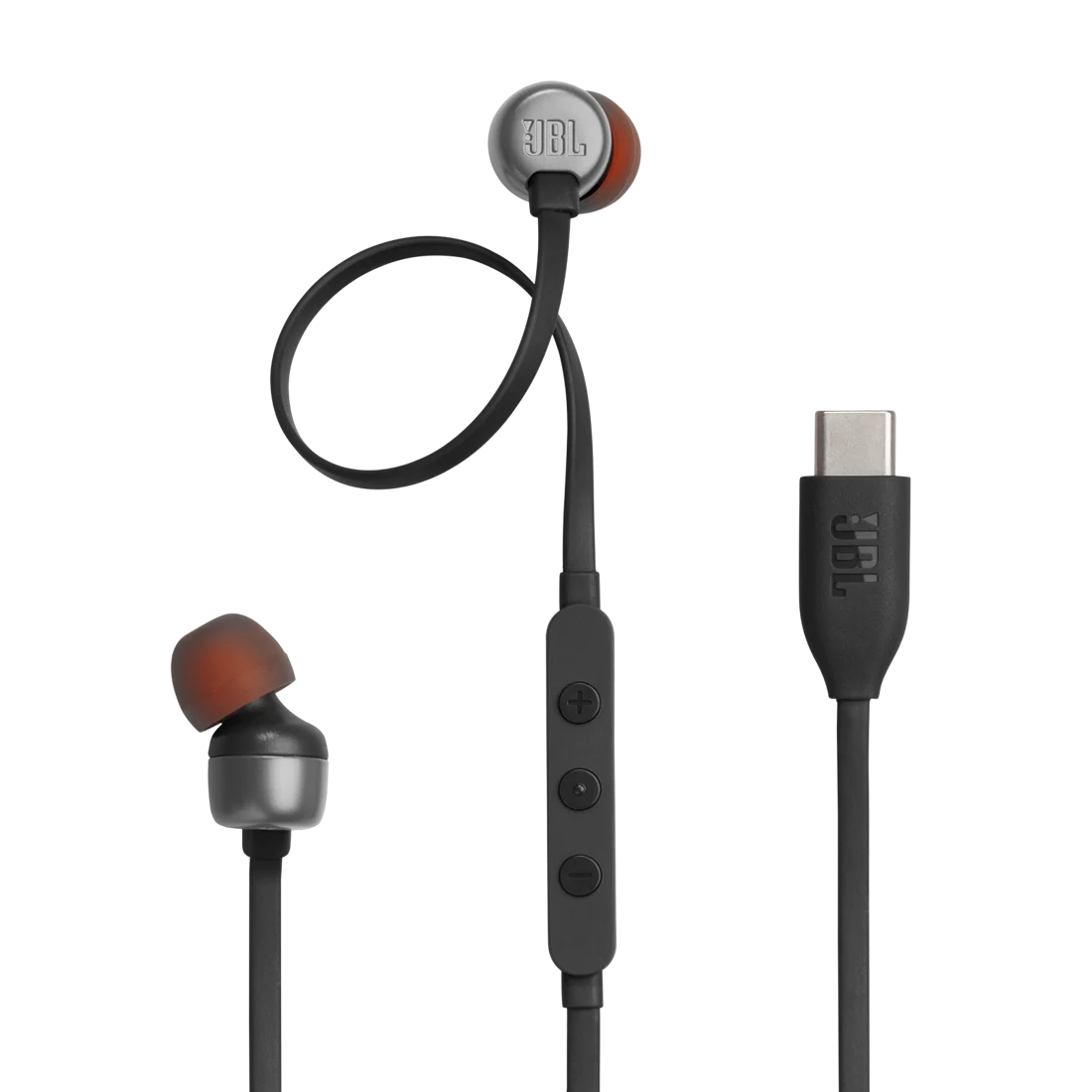 JBL Tune 310C USB-C | 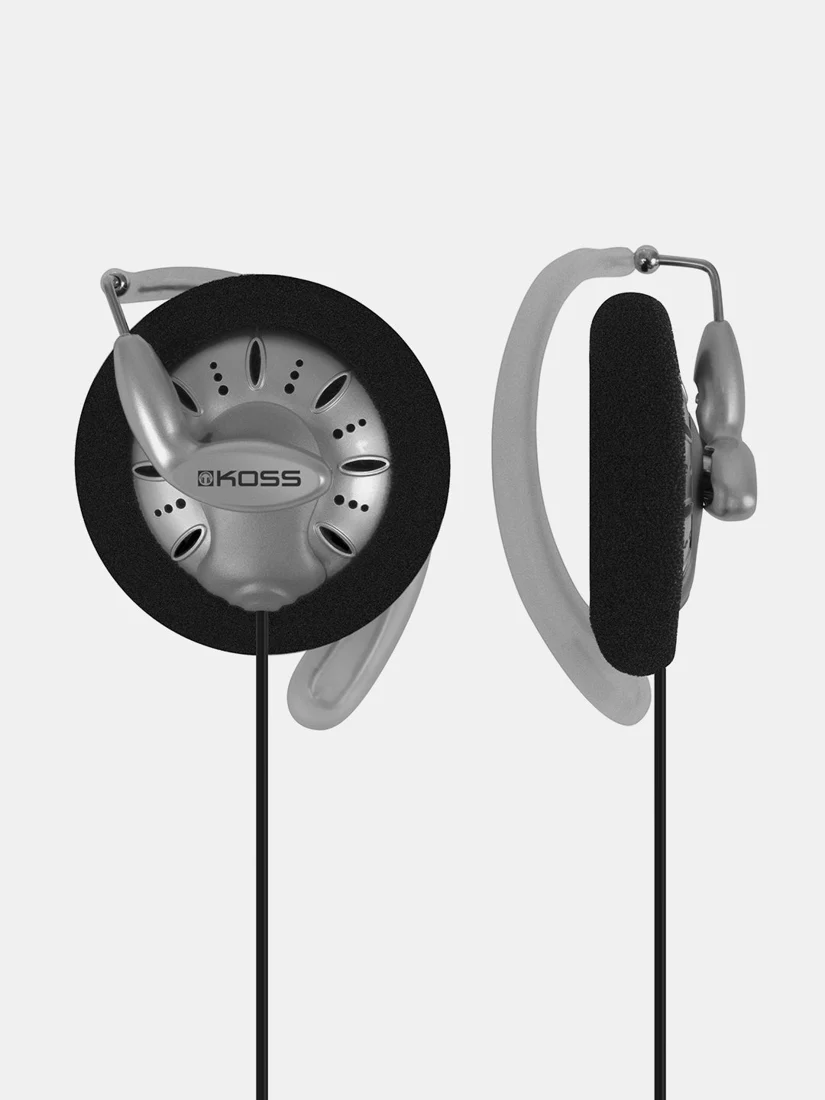 Koss KSC75 | 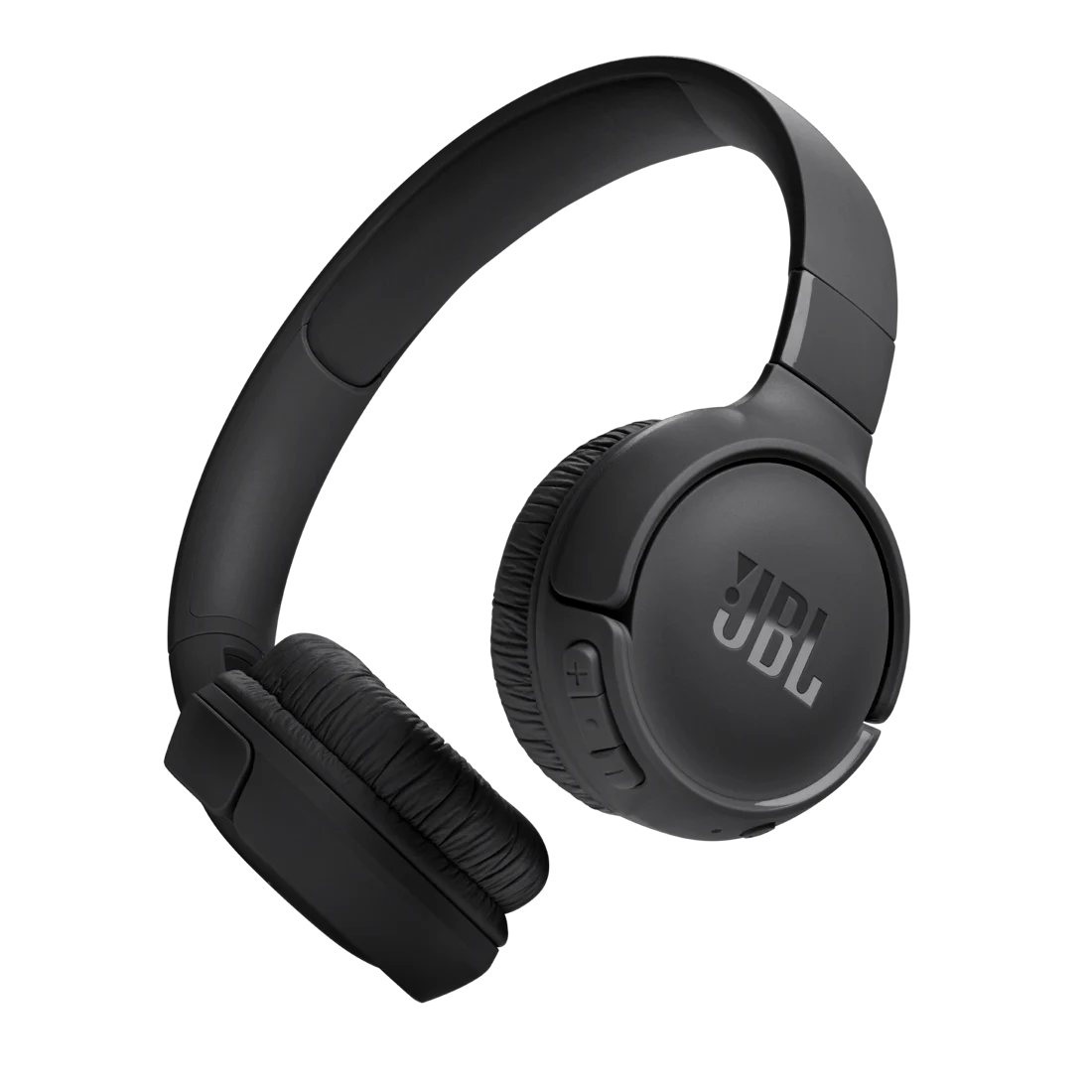 JBL Tune 520BT | 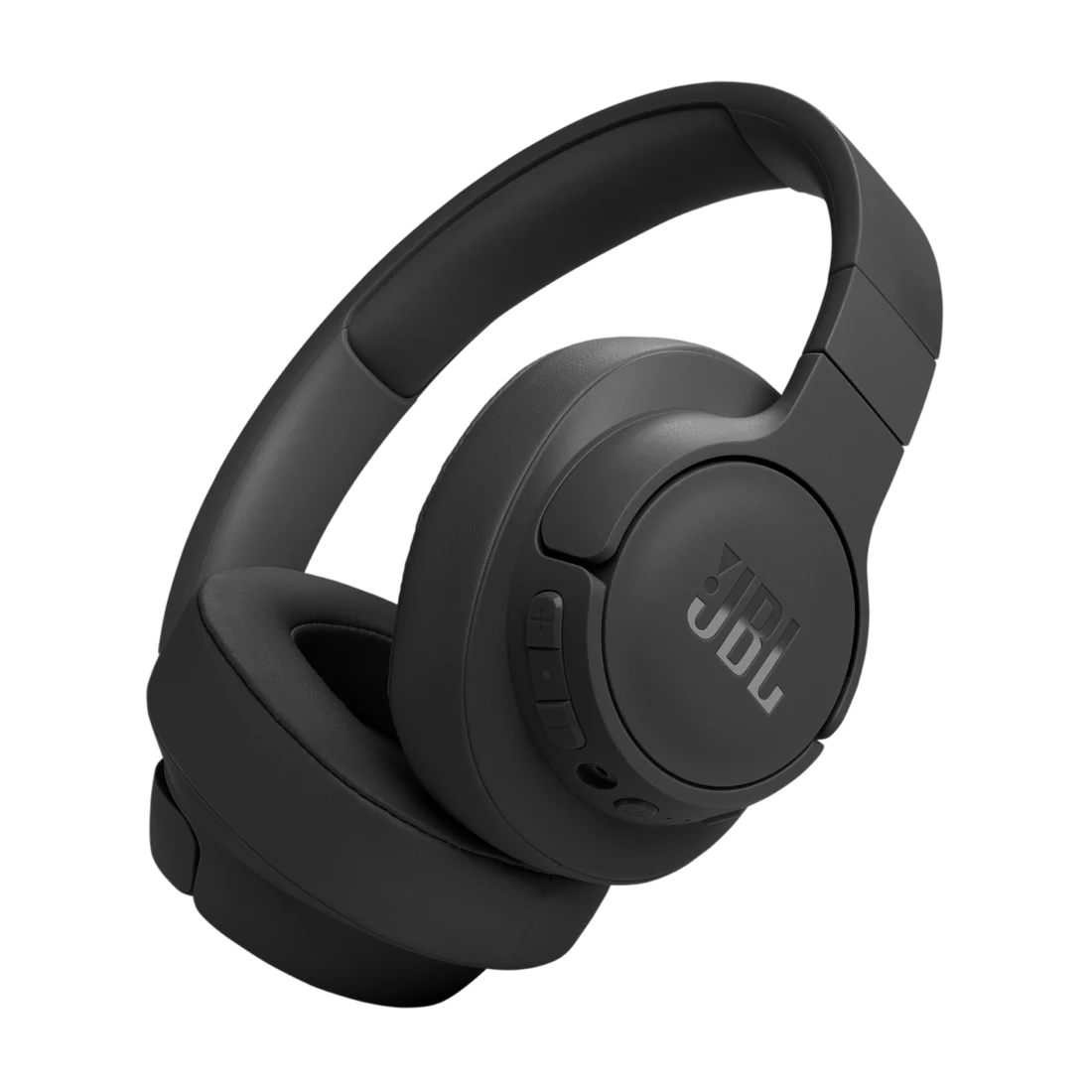 JBL Tune 770NC |
|---|---|---|---|---|
| Connection | USB-C wired | 3.5mm wired | Bluetooth | Bluetooth or included analog cable |
| Fit | In-ear; 14.3g | Open-air earclips | On-ear; 157g | Over-ear; 232g |
| Reason to consider | No Bluetooth pairing; inline microphone | No headband; may need a phone adapter | Foldable; no ANC | ANC plus an alternate wired connection |
Pack around the source you actually use
A Bluetooth phone, a USB-C laptop and a 3.5 mm seat socket are three different starting points. The Tune 310C directly serves a compatible USB-C audio host. The KSC75 uses 3.5 mm. The Tune 520BT is wireless, while the 770NC includes an analog audio cable as another option.
Add only the adapter needed by the chosen path. A USB-C charging lead does not turn the 520BT into USB audio headphones, and a Bluetooth transmitter does not replace the Apple USB-C-to-3.5 mm adapter. Fit also differs: on-ear, over-ear, in-ear and earclip designs are not interchangeable packing choices.

Choose the connection before the shape
JBL Tune 310C plugs directly into a compatible USB-C audio device. Koss KSC75 uses a 3.5mm plug. Neither needs Bluetooth pairing, but those two plugs are not interchangeable. A phone with only USB-C may need an audio adapter for the Koss, while the JBL needs the host to support its USB-C audio connection.
The KSC75’s four-foot cable ends at two earclips rather than a headband. Its open-air design is a different choice from the sealed feel of an in-ear model. It lets outside sound through, so it is a poor choice if blocking the room is the priority. The JBL includes an inline microphone and remote; the classic KSC75 does not.
On-ear and over-ear are packing decisions too
Tune 520BT sits on the ear and weighs 157g. Tune 770NC surrounds the ear and weighs 232g. Both fold, but a foldable headphone still needs room for the cups and headband. Consider where it will sit in the bag and whether it needs protection from pressure, rather than comparing only the weight difference.
The 770NC adds adaptive noise cancellation; the 520BT does not have ANC. That is a concrete feature difference. Fit and sound preferences still depend on the person, so the specification sheet alone cannot tell you which will be comfortable for several hours. A return policy or a chance to try the fit can be more useful than a small difference in published driver size.
Plan for the least convenient source
The 770NC includes a 1.2m analog audio cable, giving it an additional connection option. Its USB-C charging cable is a different item with a different job. The 520BT’s USB-C charging socket should not be treated as a promised USB audio input.
A wireless headphone may work directly with the phone and still need a transmitter for a screen with only a headphone jack. A wired 3.5mm model may suit that screen directly and need an adapter for the phone. Write down both sources before deciding which kit has fewer pieces.
For the smallest connection-specific kit, the USB-C in-ears are the first model to examine if the host supports them. For several different sources, the 770NC’s Bluetooth and analog options are relevant. For a simple 3.5mm source, the Koss avoids adding a Bluetooth transmitter solely to bridge that socket.
Sources
- JBL Tune 310C USB-C: manufacturer specificationsChecked November 15, 2026
- Koss KSC75: manufacturer specificationsChecked November 15, 2026
- JBL Tune 520BT: manufacturer specificationsChecked November 15, 2026
- JBL Tune 770NC: manufacturer specificationsChecked November 15, 2026