PlugBug Travel 50W vs. 120W
PlugBug Travel 50W and 120W compared by connections, total power and the accessories that come along.
The models compared
Scroll sideways to compare.
| Compare | 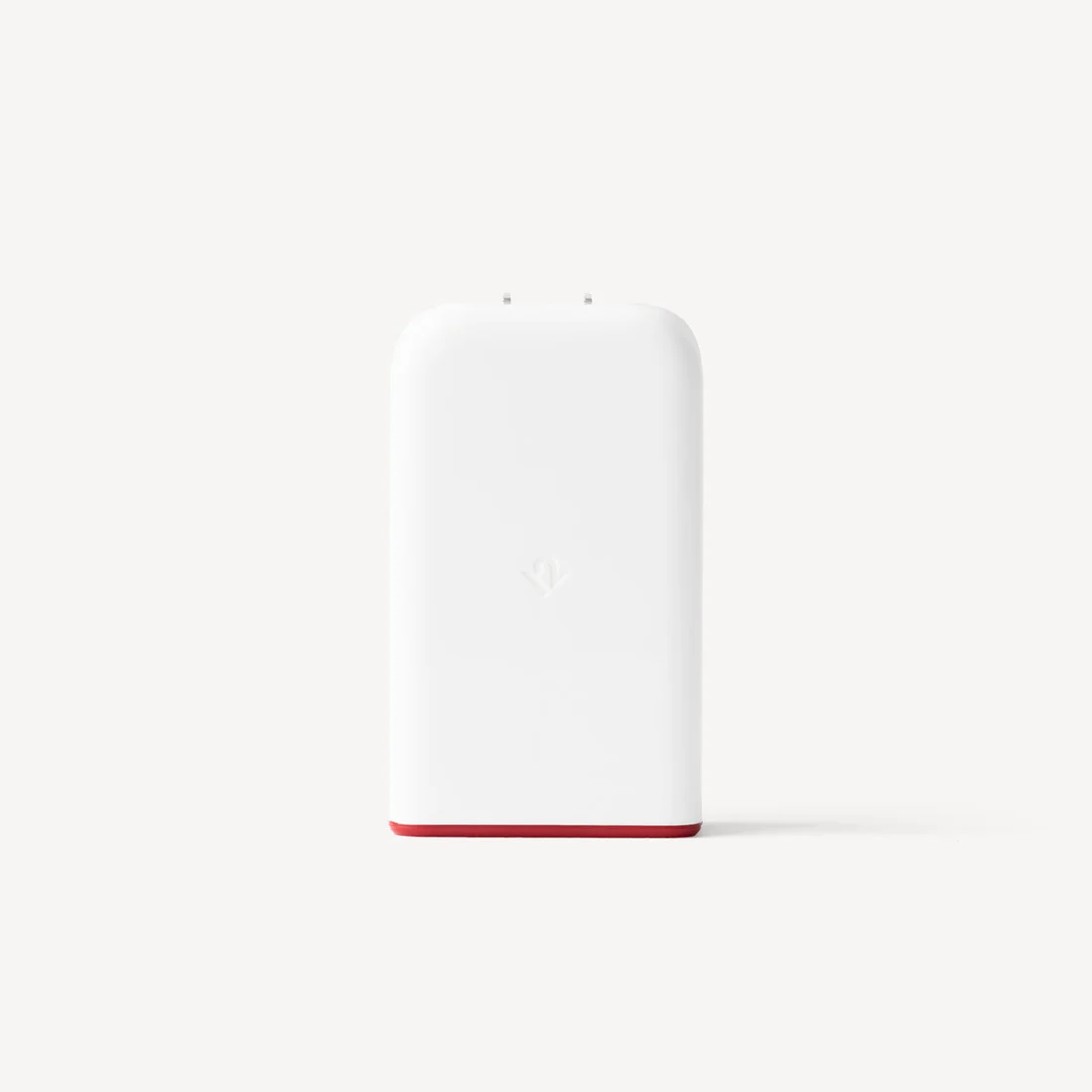 Twelve South PlugBug Travel 50W | 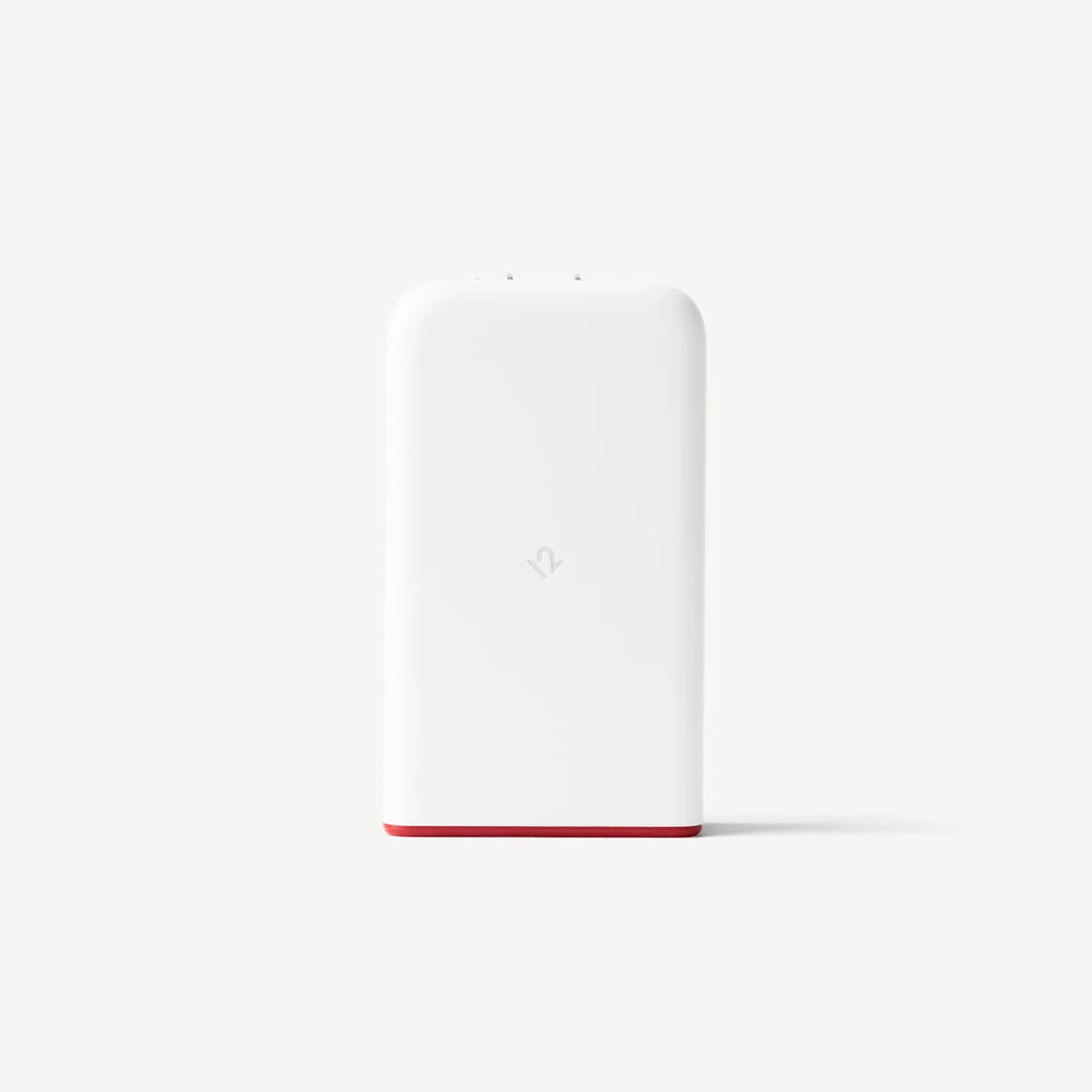 Twelve South PlugBug Travel 120W | 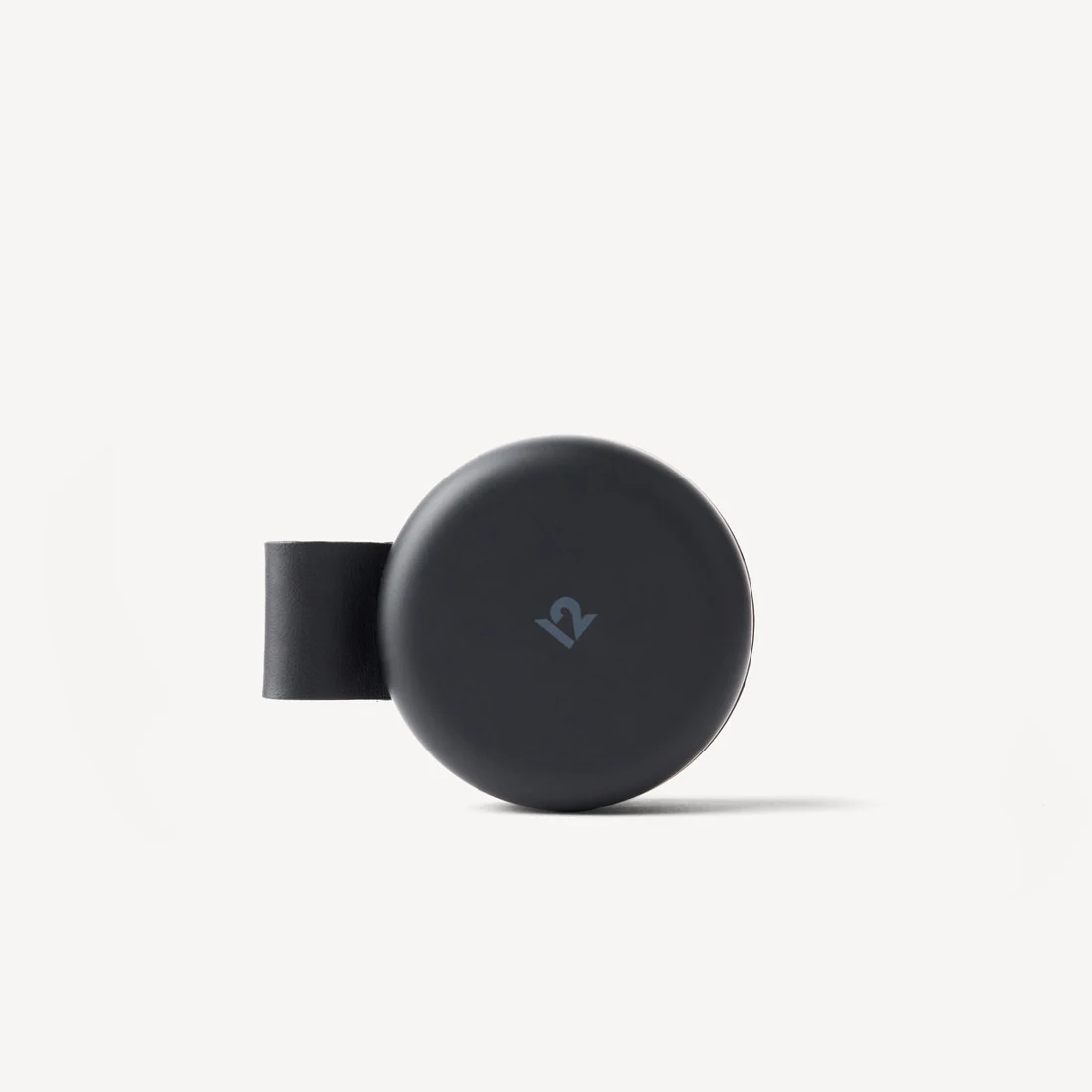 Twelve South ButterFly SE 15W |
|---|---|---|---|
| Role | Two-port wall charger | Four-port wall charger | Phone + watch charging pad |
| Power figure | 50W total | 120W total | Requires 30W+ USB-C adapter |
| Packing detail | 110g charger; adapters and case extra | 250g charger; adapters and case extra | 119g pad; cable included |
Use a simultaneous-device budget
Write one line per device: the connection it needs, its expected charging demand and whether it must charge alongside the others. Two devices that can take turns overnight may not justify a four-port charger. A laptop, phone, headphones and watch that all need to refill during one short break are a different case.
The two-port unit weighs 110 g and the four-port unit 250 g before the travel kit. Their total budgets are 50 W and 120 W, shared across the connected devices. Keep those total figures separate from individual device needs and leave room in the pouch for the correct country adapter and cables.
Count simultaneous connections, not devices owned
A phone, headphones, watch and laptop do not necessarily need four wall-charger ports. The headphones might be charged earlier in the day; a phone-and-watch pad can put two devices behind one USB-C connection. Start with the devices you expect to charge together, then count the cables reaching the wall.
PlugBug Travel 50W provides two USB-C ports and a 50W total budget. The 120W version provides four ports and a 120W total budget. Twelve South describes dynamic sharing rather than a fixed equal split. Four occupied ports do not mean four independent 120W supplies, and dividing the total by four is not a documented allocation either.
A charging pad belongs in the budget too
ButterFly SE combines a phone pad and an Apple Watch charger, but it still needs power from somewhere. Twelve South calls for a USB-C adapter rated at 30W or higher. Its included cable occupies one USB-C connection on the wall charger, even though two devices sit on the pad.
A hypothetical 65W laptop requirement plus a 30W pad requirement totals 95W. That already exceeds a 50W charger’s total, before considering how individual ports share power. The 120W model has enough total capacity for that example; its simultaneous port modes still need to supply 65W and 30W to the two connections.
Travel accessories and tracking are separate features
The Travel packages include six plug adapters and a case. The listed charger weights are 110g and 250g; those figures do not describe the complete packed travel kit. Bring the adapter needed for the destination rather than assuming the whole set must come along.
Both chargers include Apple Find My support. That feature needs the relevant Apple setup, but USB-C charging is not restricted to Apple devices. The tracking function uses its own replaceable battery; the charger is not a portable power bank. Choose it for the wall-powered job first, then decide whether keeping track of the charger is worth the added feature.
For two modest loads charged overnight, the smaller model is the natural one to evaluate. For several devices used while charging, the extra ports and larger total of the 120W model deserve a closer look. Neither choice removes the need to check the device’s input requirements.
Sources
- Twelve South PlugBug Travel 50W: manufacturer specificationsChecked November 15, 2026
- Twelve South PlugBug Travel 120W: manufacturer specificationsChecked November 15, 2026
- Twelve South ButterFly SE 15W: manufacturer specificationsChecked November 15, 2026