Anker A1638 45W power bank output by port
The Anker A1638 gives a particularly clear example of why the small multi-port table matters.
The models compared
Scroll sideways to compare.
| Compare | 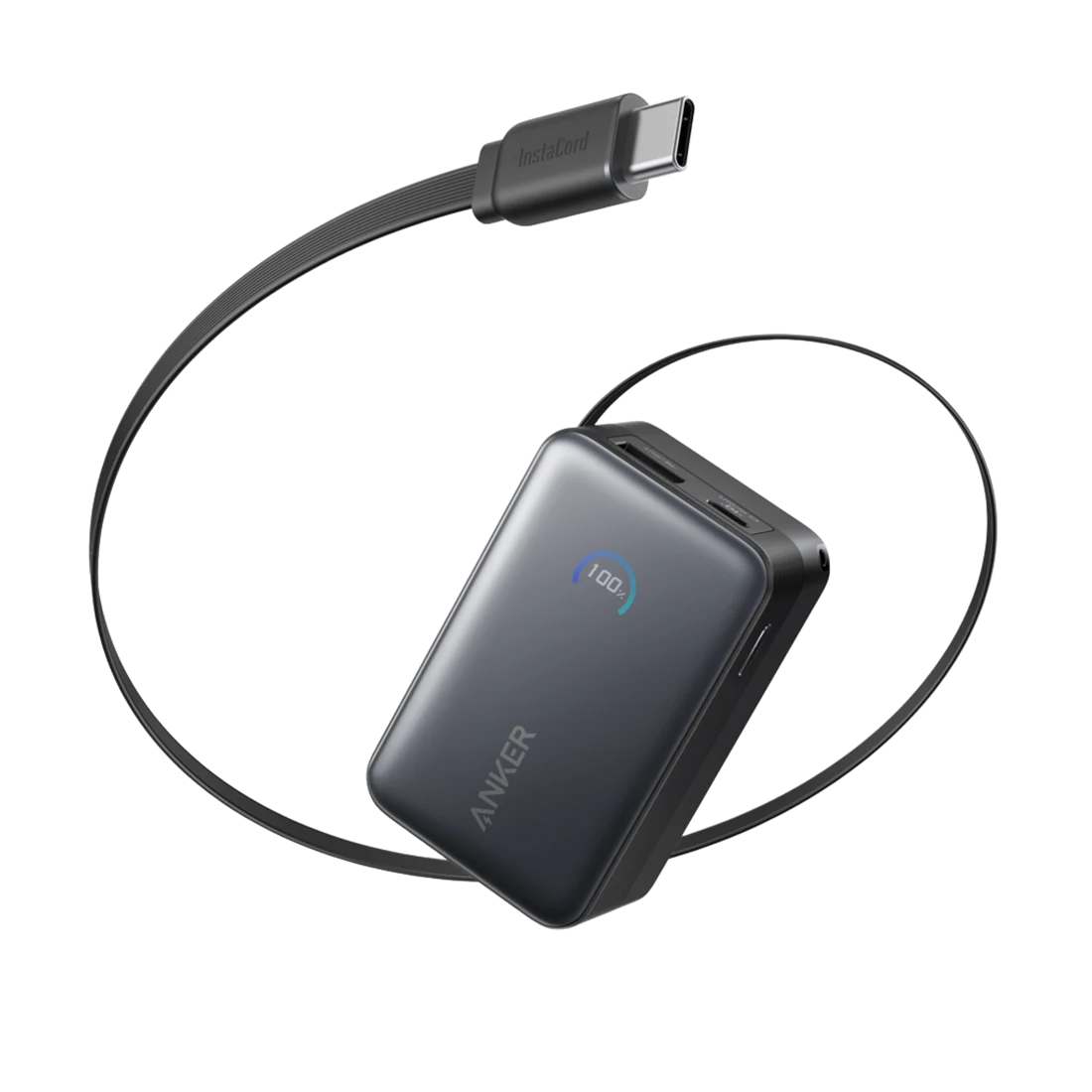 Anker Nano Power Bank A1638 | 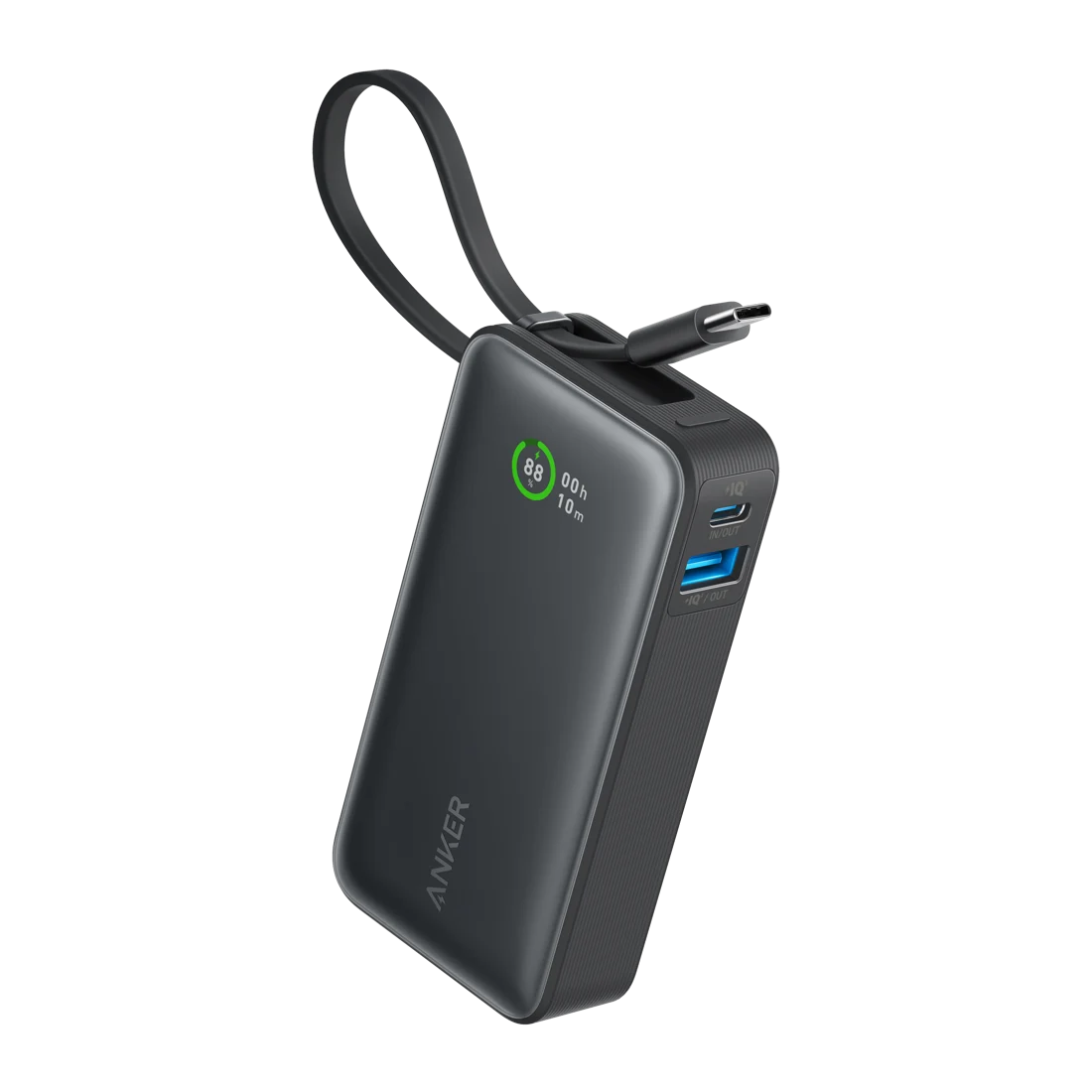 Anker Nano Power Bank A1259 | 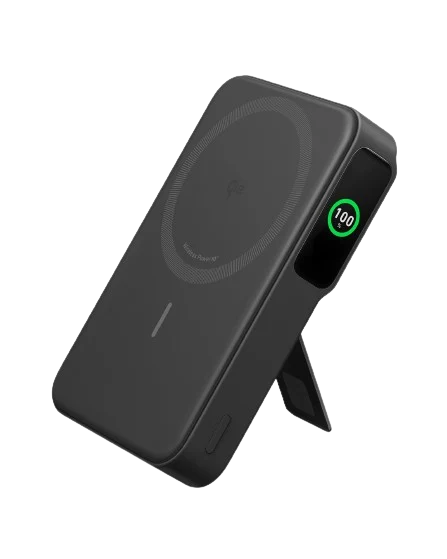 Anker MagGo Power Bank A1654 |
|---|---|---|---|
| One device | 45W from USB-C cable or port | 30W USB-C | 27W USB-C or 15W wireless |
| More than one device | 15W cable + 7.5W USB-C port | 24W combined maximum | Wireless reduced to 5W with wired output |
| Useful distinction | Three outputs: 7.5W each | No fixed split assumed here | Wired and wireless maxima are separate |
Plan the second device before the first plug
For the A1638, the cable and USB-C port together are specified at 15 W plus 7.5 W. That totals 22.5 W, half the single-output 45 W headline. With three outputs, the listed allocation is 7.5 W each. Those are meaningful changes when a phone and another device are charging during a short stop.
If one device needs the faster session, consider charging it alone and moving to the smaller accessory afterward. If both must charge together every day, compare banks by their simultaneous allocation rather than the most prominent wattage. Check each device’s supported charging mode as a separate step.
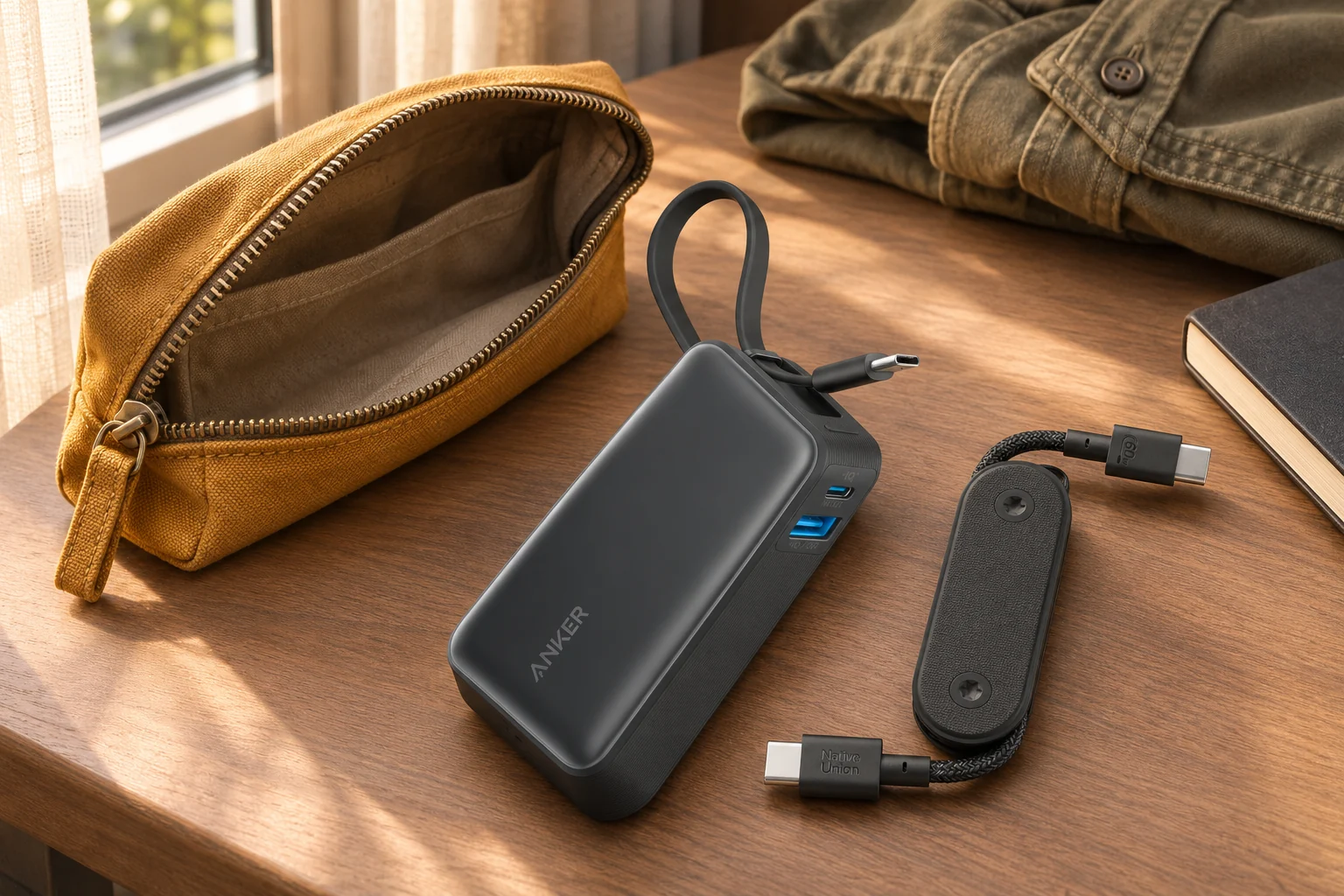
The headline is a single-output number
Anker rates either the A1638’s retractable cable or its USB-C port at up to 45W when used alone. That is a useful specification for a compatible device connected by itself. It is not a promise that the bank can supply 45W through every connection at once.
The manufacturer’s two-USB-C configuration is much more specific: 15W through the retractable cable and 7.5W through the USB-C port, or 22.5W together. With all three outputs occupied, the listed split becomes 7.5W each. The total and the per-device limit both change when another connection is added.
Write the intended arrangement down
Suppose a device calls for a 30W USB-C supply. Used alone, it sits below the bank’s 45W ceiling, though the voltage and charging protocol must still match. Put that device on the retractable cable while another device uses the USB-C port, and the cable’s listed ceiling is only 15W. The bank no longer meets the original 30W requirement in that arrangement.
This distinction matters for more than speed. A device may charge slowly while idle, continue drawing down its battery while working, or decline a charging mode that needs a different power profile. Check the device’s required voltage and charging protocol as well as its wattage.
Make a short list with one line for each device, its required input, and the connection you plan to use. Compare that arrangement with the manufacturer’s simultaneous-output table. Count an attached cable as an output, just as you would count a socket.
Other banks share power differently
The A1259 lists a 24W combined maximum, so adding its individual port ratings would give the wrong answer. The A1654 combines wired and wireless charging, but Anker says the wireless pad falls to 5W when its USB-C output is in use. Those are different rules, not variations of a universal USB-C split.
For a single higher-demand device, disconnecting the second item may restore access to a higher-rated mode. For overnight charging, a lower shared rate may be acceptable. Decide which situation you actually need before choosing the larger number on the box.
Sources
- Anker Nano Power Bank A1638: manufacturer specificationsChecked November 15, 2026
- Anker Nano Power Bank A1259: manufacturer specificationsChecked November 15, 2026
- Anker MagGo Power Bank A1654: manufacturer specificationsChecked November 15, 2026