
GL.iNet Beryl AX vs. Opal travel routers
Beryl AX and Opal need an internet connection to share. Their useful differences are in ports, Wi-Fi generation and power.
The models compared
Scroll sideways to compare.
| Compare | 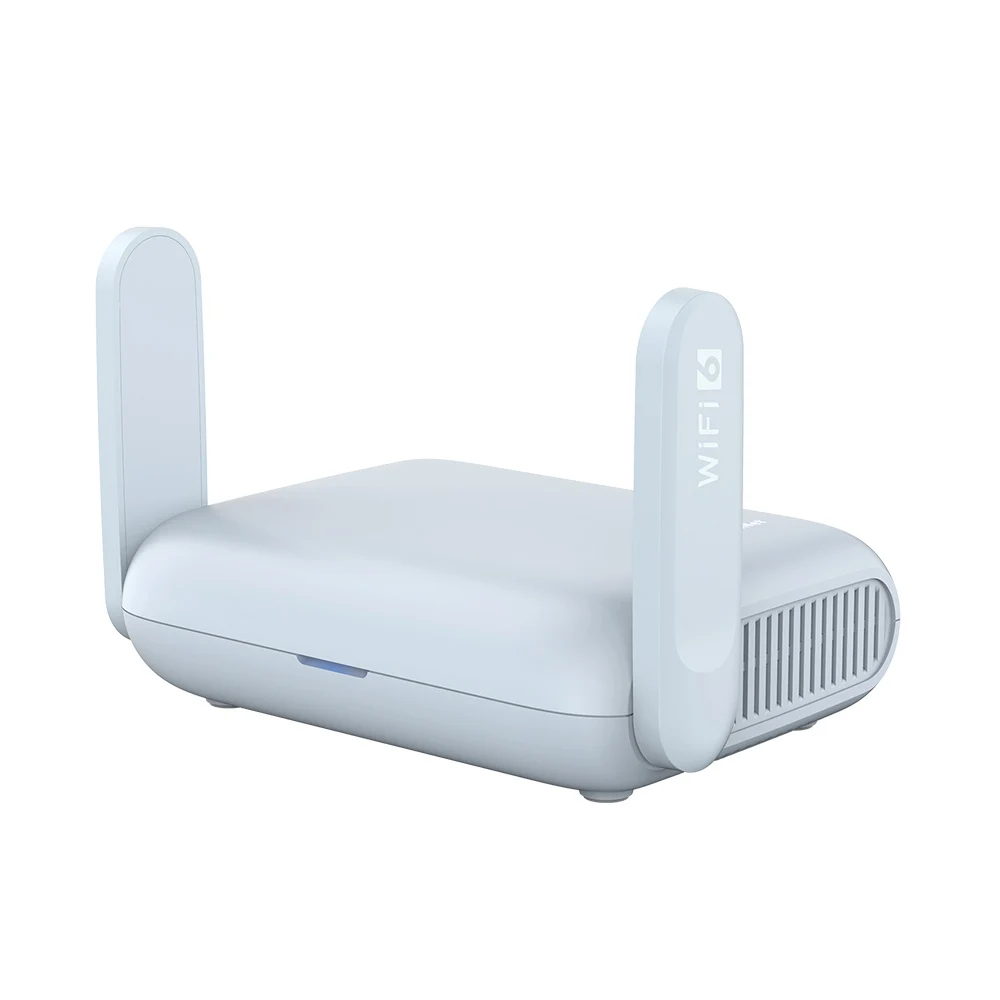 GL.iNet Beryl AX GL-MT3000 | 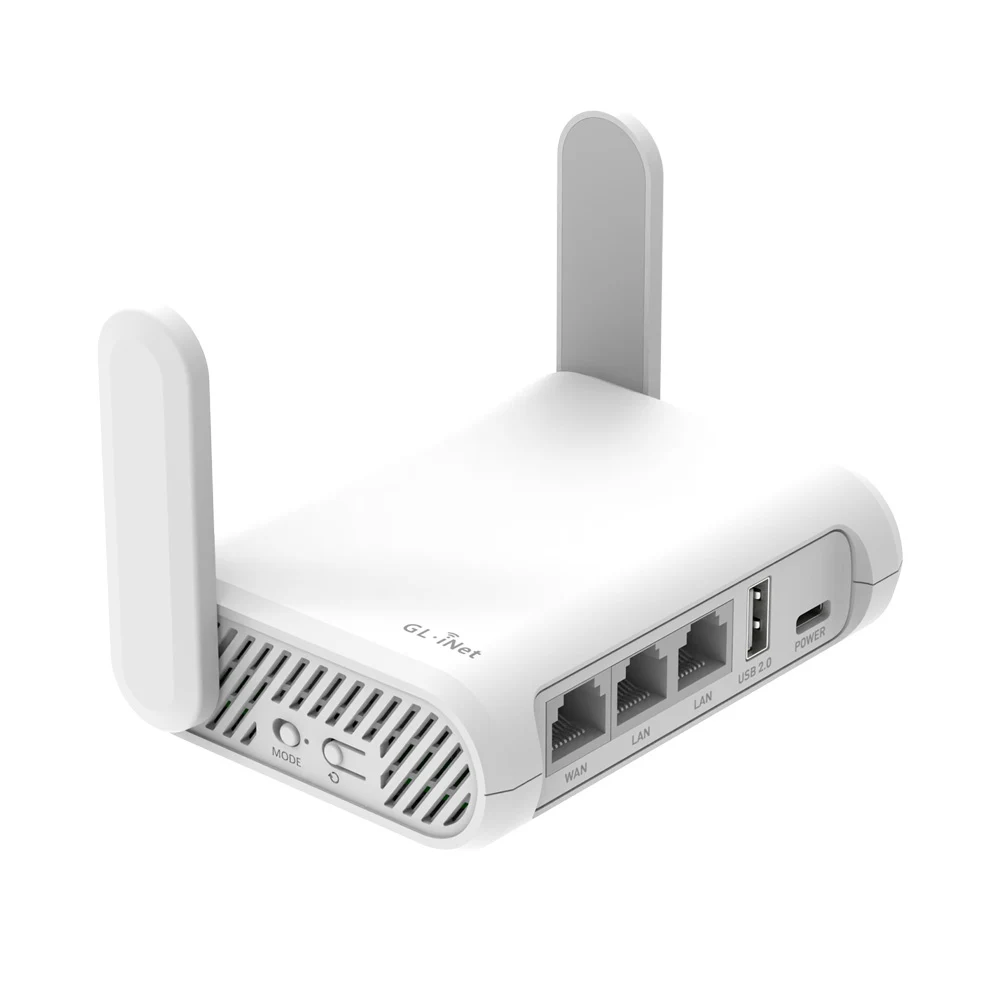 GL.iNet Opal GL-SFT1200 |
|---|---|---|
| Network connections | 2.5GbE WAN + 1GbE LAN; Wi-Fi 6 | 1GbE WAN + 2 × 1GbE LAN; Wi-Fi 5 |
| Power input | USB-C, 5V/3A | USB-C, 5V/3A |
| Weight | 196g | 145g |
Write down the upstream connection and power source
A travel router still needs a source of internet access. Identify that source before packing the router, then decide how the laptop or other devices will connect to it. Neither Beryl AX nor Opal supplies a cellular connection on its own.
Both list USB-C power at 5 V/3 A. The Beryl has one Gigabit LAN socket alongside its 2.5GbE WAN port; Opal has two Gigabit LAN sockets and a Gigabit WAN port. A two-device wired setup may therefore favor port count over the newer radio label. Test the intended arrangement before relying on it away from home.
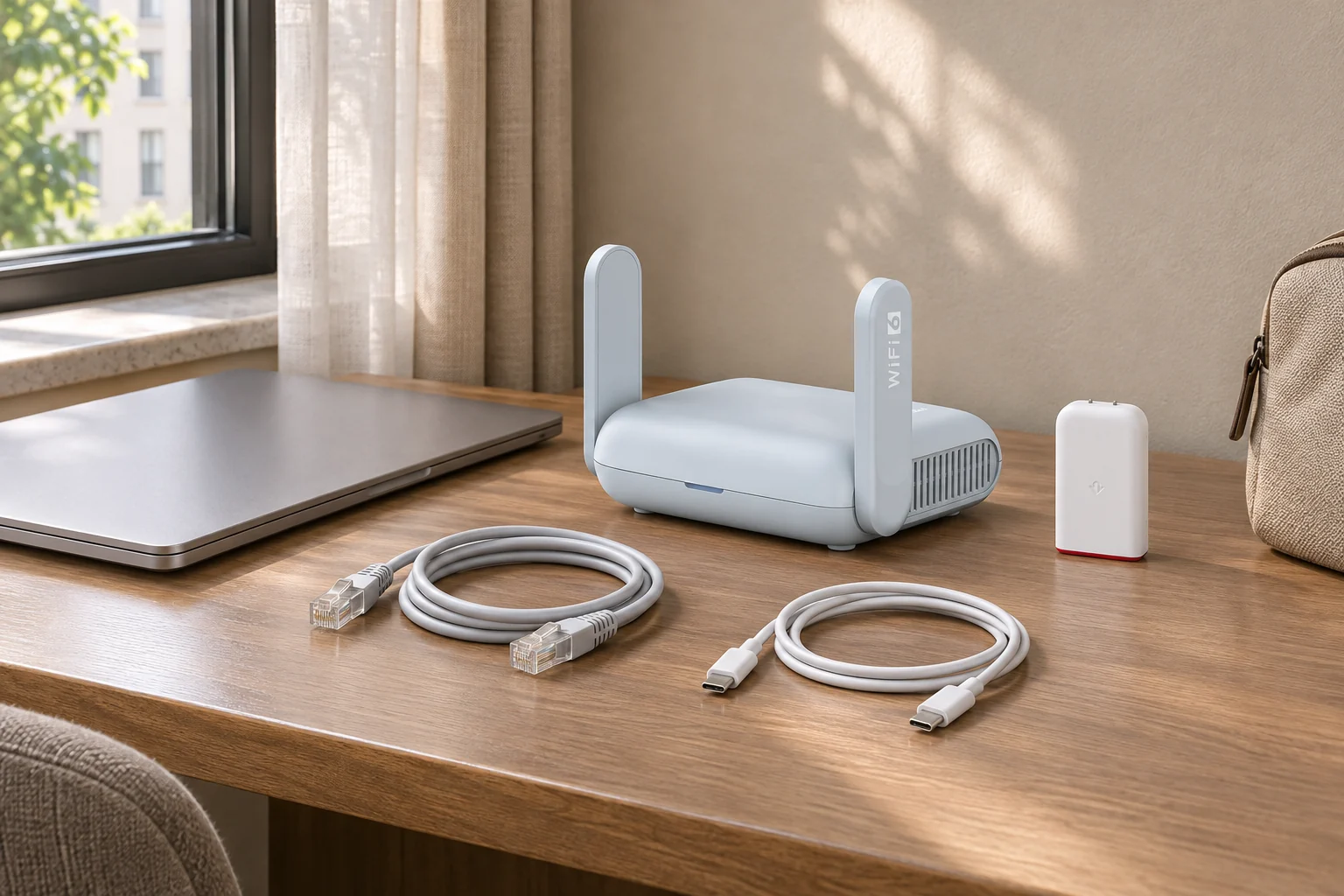
First, identify the internet connection
Neither Beryl AX nor Opal creates a cellular connection simply by being switched on. They are travel routers that work with an existing upstream connection, such as Ethernet, a supported Wi-Fi repeater arrangement or tethering. If the actual need is internet access where no usable connection exists, the shopping list starts with the source of that access.
That distinction prevents a common packing mistake: bringing a router, USB-C cable and laptop, but no way for the router to reach the internet. Check the connection available at the destination and whether it permits the intended use. A router cannot remove an account requirement or an access restriction imposed by the network owner.
Count wired devices before choosing Wi-Fi generation
Beryl AX GL-MT3000 has a 2.5GbE WAN port and one 1GbE LAN port. Opal GL-SFT1200 has a 1GbE WAN port and two 1GbE LAN ports. If two wired devices need to connect directly, the older Opal provides a second LAN socket that the Beryl does not.
Beryl uses Wi-Fi 6 with listed radio link rates of 574Mbps and 2402Mbps; Opal uses Wi-Fi 5 with 300Mbps and 867Mbps. Those are radio specifications, not promised internet speeds. The upstream connection, receiving device and surroundings still limit actual transfers. Adding the two radio numbers together does not describe what one laptop will download.
Beryl also has USB 3.0, compared with USB 2.0 on Opal. Choose based on an intended use for that port rather than treating every newer interface as something the trip requires.
Pack the power supply, and allow setup time
Both models specify USB-C 5V/3A input. A familiar connector does not make every spare USB port an appropriate power source. Keep the specified supply arrangement in the kit and check its fit with the destination outlet. Beryl weighs 196g; Opal weighs 145g, before power accessories and network cables.
A travel router also introduces configuration and firmware upkeep. It is useful when it solves a repeated connection problem, but it is extra equipment to manage if one phone hotspot or a direct Wi-Fi connection already does the job. Keep the firmware maintained and retain the settings needed to recover the connection.
For a newer wireless network and a faster WAN port, Beryl is the candidate to examine. For two wired LAN connections in a lighter router, Opal has a concrete advantage. In either case, establish the upstream internet and power plan before choosing between their feature lists.
Sources
- GL.iNet Beryl AX GL-MT3000: manufacturer specificationsChecked November 15, 2026
- GL.iNet Opal GL-SFT1200: manufacturer specificationsChecked November 15, 2026